

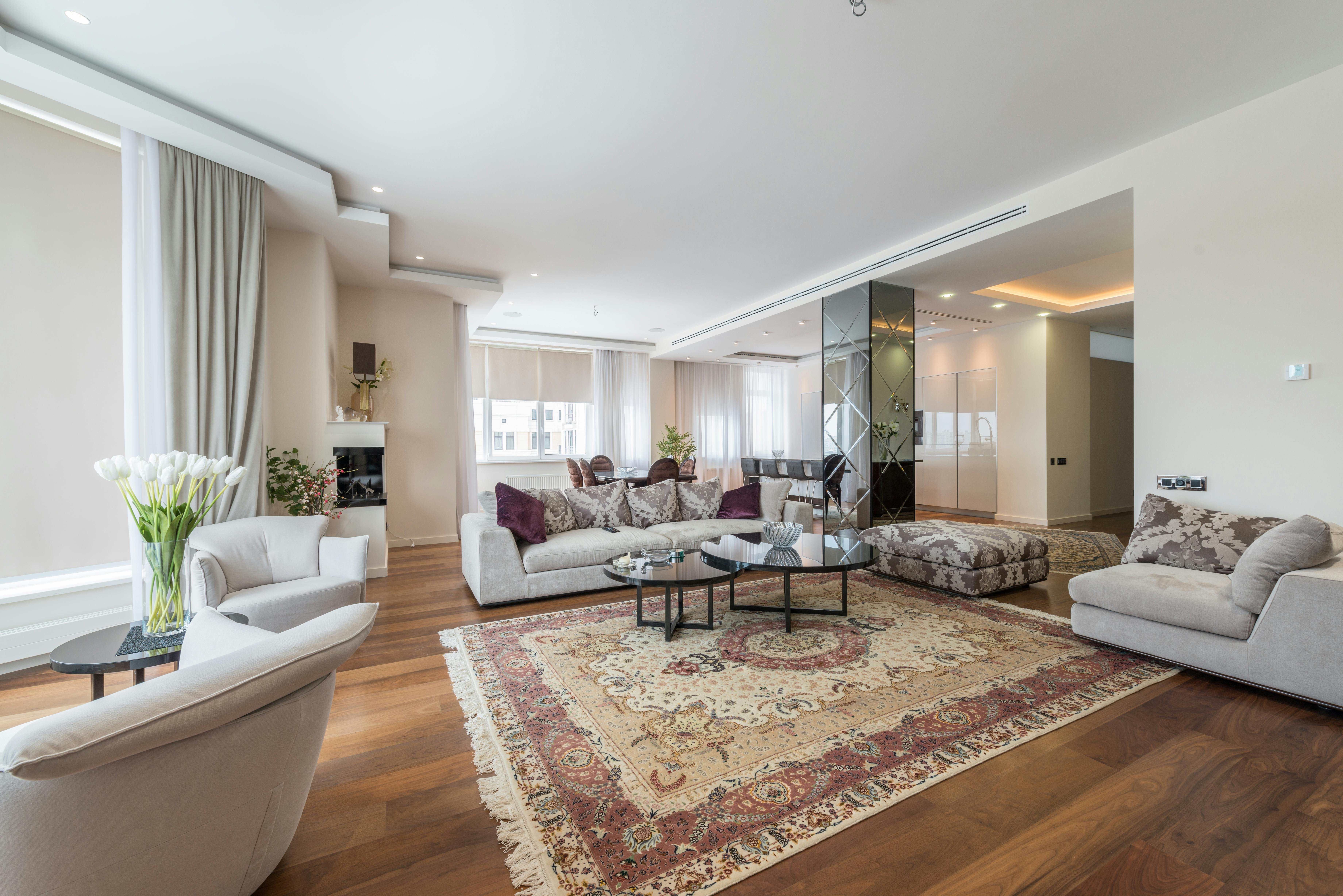
Residential design planning plays a major role in shaping how comfortable, practical, and functional a home feels over time. Modern buyers are no longer focused only on square footage or exterior appearance. Instead, they increasingly prioritise layouts, site planning, natural lighting, communal spaces, and overall living efficiency when choosing a property.
Well-planned residential developments create living spaces that support daily routines, improve convenience, encourage wellness, and adapt to changing lifestyle needs. From floor plans and site layouts to pricing structures and shared amenities, thoughtful design planning directly affects long-term living quality and property value.
Why Residential Design Planning Matters
Residential design planning involves more than arranging rooms within a unit. It includes the overall structure of the development, how residents interact with shared spaces, and how the environment supports comfort and convenience.
Strong residential planning helps improve:
- Space efficiency
- Natural ventilation and lighting
- Privacy and noise management
- Accessibility within the development
- Community interaction
- Long-term property functionality
A thoughtfully designed home often feels more comfortable and practical even when the overall unit size is smaller.
For example, buyers reviewing the Lentor Gardens floor plan may focus on how efficiently the layout supports movement, furniture placement, and daily living activities. Smart layouts help residents maximise usable space while maintaining comfort and flexibility.
Efficient Floor Plans Improve Everyday Functionality
A functional floor plan is one of the most important aspects of residential design planning. Efficient layouts create smoother movement throughout the home while reducing wasted space.
Important floor plan benefits include:
Better Space Utilisation
Efficient layouts reduce oversized hallways and awkward corners that contribute little to practical living.
Improved Furniture Flexibility
Well-proportioned rooms make it easier to arrange furniture while maintaining comfortable circulation.
Enhanced Daily Convenience
Logical placement of kitchens, bedrooms, bathrooms, and living areas improves workflow and usability.
Stronger Long-Term Adaptability
Flexible layouts can better accommodate future lifestyle changes such as remote work or growing families.
Modern buyers increasingly compare layouts carefully before making purchasing decisions because everyday comfort often depends heavily on functionality rather than size alone.
Site Planning Shapes the Residential Experience
Good residential design planning extends beyond individual units. The overall site layout significantly influences privacy, convenience, and community interaction.
A well-planned site layout can improve:
- Accessibility to facilities
- Resident traffic flow
- Noise distribution
- Open space integration
- Privacy between units
For example, buyers studying the Dunearn House residences site plan may assess how residential towers, green spaces, walkways, and communal amenities are positioned throughout the development.
Important site planning considerations include:
Facility Placement
Swimming pools, gyms, and event spaces should be accessible without creating excessive noise for nearby units.
Unit Orientation
The direction units face can influence sunlight exposure, airflow, and indoor comfort.
Green Space Distribution
Landscaped areas and gardens help improve the overall residential atmosphere and provide opportunities for relaxation.
Accessibility Within the Development
Convenient movement between lifts, parking areas, and communal facilities supports a more comfortable living environment.
Strong site planning creates a more balanced and enjoyable residential community.
Natural Lighting and Ventilation Enhance Comfort
Natural lighting and ventilation are critical components of modern Lentor Gardens floor plan design. Homes with strong airflow and good natural light often feel more spacious, comfortable, and healthier to live in.
Benefits of natural design integration include:
- Reduced dependence on artificial lighting
- Improved indoor air circulation
- Enhanced mood and wellbeing
- Better energy efficiency
- Greater sense of openness
Developers increasingly prioritise layouts that maximise window placement, cross-ventilation, and balcony integration to improve overall living quality.
Well-ventilated homes are particularly important in high-density urban environments where indoor comfort can significantly affect long-term resident satisfaction.
Shared Amenities Support Better Lifestyle Quality
Modern condominium developments often include lifestyle-oriented amenities designed to improve convenience, wellness, and social interaction.
Common residential amenities include:
- Swimming pools
- Fitness centres
- Co-working lounges
- BBQ areas
- Function rooms
- Landscaped gardens
- Children’s play areas
For buyers evaluating Vela Bay Bayshore, the integration of amenities into the development may influence how effectively the project supports modern urban lifestyles.
Thoughtfully designed communal spaces help residents:
- Maintain healthier routines
- Reduce commuting for recreational activities
- Build stronger community connections
- Enjoy more balanced lifestyles
Amenities are most effective when they are integrated naturally into the development rather than added purely for marketing appeal.
Pricing Should Reflect Design Quality and Functionality
Residential design quality often affects overall property pricing. Buyers should evaluate whether the layout efficiency, site planning, and amenities justify the project’s pricing structure.
For example, buyers comparing the Thomson Reserve condo price may assess:
- Layout practicality
- Site planning efficiency
- Facility quality
- Accessibility advantages
- Long-term livability
Similarly, reviewing the Lucerne Grand launch price may involve comparing the development’s design strengths against competing projects within the same market segment.
Pricing analysis should consider:
Usable Space Efficiency
A smaller but highly functional layout may provide stronger value than a larger but inefficient unit.
Long-Term Maintenance Costs
Developments with excessive or underutilised facilities may involve higher monthly maintenance fees.
Improved Furniture Flexibility
0
Practical layouts and strong residential planning often maintain better buyer demand over time.
Buyers should focus on overall value rather than price alone.
Residential Design Planning Supports Future Flexibility
Lifestyle needs evolve over time. A well-designed residential development should support flexibility for changing routines, household structures, and work arrangements.
Modern buyers increasingly value homes that can accommodate:
- Work-from-home setups
- Multi-generational living
- Growing families
- Lifestyle upgrades
- Flexible furniture arrangements
Projects in emerging residential areas may attract buyers seeking developments designed for long-term adaptability.
For example, buyers researching the Pinery residences price may also evaluate whether the development’s layouts and facilities support future residential trends and evolving lifestyle expectations.
Adaptable design planning improves both comfort and long-term property relevance.
Showrooms Help Buyers Understand Design Planning Better
Visiting showrooms allows buyers to experience residential layouts physically rather than re solely on brochures or online renderings.
Showroom visits help buyers evaluate:
- Actual room dimensions
- Ceiling heights
- Furniture compatibility
- Material finishes
- Lighting conditions
- Walking space between areas
Physical walkthroughs often reveal practical details that are difficult to identify through floor plans alone.
Buyers should use showroom visits to assess whether the development genuinely supports their everyday lifestyle needs.
Final Thoughts
Residential design planning plays a vital role in creating comfortable, functional, and future-ready living spaces. Efficient layouts, thoughtful site planning, strong natural ventilation, practical amenities, and flexible living configurations all contribute to better long-term living quality.
Whether reviewing the Lentor Gardens floor plan, comparing the Thomson Reserve condo price, evaluating the Lucerne Grand launch price, studying the Dunearn House residences site plan, exploring Vela Bay, or researching the Pinery residences price, buyers should carefully assess how each development supports practical everyday living.
A well-designed residential development does more than provide housing. It creates an environment that improves comfort, convenience, and lifestyle functionality for years to come.