

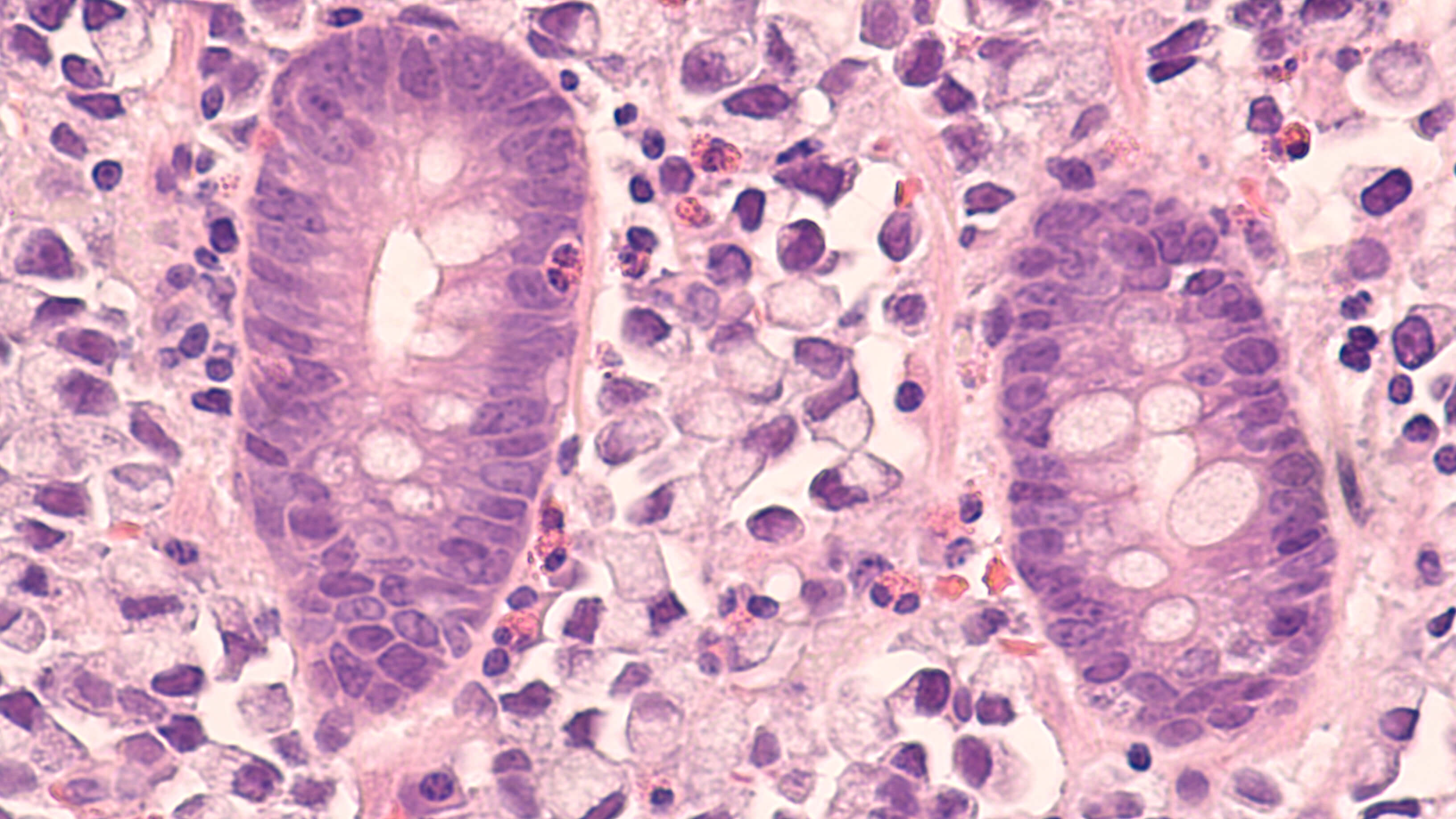
Reproducibility is one of the most important principles in immunohistochemistry (IHC). Whether IHC is performed for clinical diagnostics, biomarker research, or drug development, laboratories must consistently generate reliable and repeatable staining results. Variations in tissue preparation, antibody performance, staining protocols, and equipment can all affect the outcome of an IHC assay. This is why quality IHC controls are considered an essential part of every immunohistochemical workflow.
Quality IHC ihc stains help laboratories verify that staining procedures are functioning correctly, allowing technicians and pathologists to distinguish between true biological findings and technical issues. By incorporating well-characterized positive, negative, and internal controls into every run, laboratories can significantly improve reproducibility and ensure confidence in their results.
Understanding Reproducibility in IHC
Reproducibility refers to the ability to achieve the same staining results when an experiment or diagnostic test is repeated under similar conditions. In IHC, reproducibility means that the same tissue sample stained on different days, by different operators, or using different reagent lots should produce consistent staining patterns.
Poor reproducibility can lead to inconsistent diagnoses, unreliable research findings, and difficulties in comparing results across laboratories. Since IHC is widely used to identify disease biomarkers and classify tumors, maintaining consistent performance is essential for accurate patient care and scientific progress.
The Role of Quality IHC Controls
Quality IHC controls serve as reference materials that confirm whether every stage of the staining process has performed as expected. They help detect technical errors before results are interpreted and reported.
A complete IHC control strategy generally includes:
- Positive controls that confirm the antibody successfully detects the target antigen.
- Negative controls that identify non-specific staining or background signal.
- Internal controls found within the patient's own tissue, providing an additional measure of staining performance.
Using these controls together enables laboratories to verify assay reliability while minimizing uncertainty in interpretation.
Detecting Technical Variability
Numerous factors can introduce variability into an IHC assay, including:
- Differences in tissue fixation times
- Variations in antigen retrieval methods
- Antibody concentration changes
- Reagent degradation
- Instrument calibration issues
- Human handling errors
Quality IHC controls immediately reveal whether these factors have affected staining performance. If a positive control fails to stain appropriately or a negative control shows unexpected staining, laboratory personnel know that the run requires investigation before patient samples are evaluated.
This early detection prevents unreliable results from entering clinical reports or research datasets.
Supporting Consistent Antibody Performance
Primary antibodies are among the most critical components of any IHC assay. However, antibody performance may vary between production lots or after long-term storage.
Quality IHC controls help laboratories verify that each antibody lot performs consistently before routine implementation. Control tissues with known antigen expression allow technicians to compare staining intensity and localization with previously validated results.
Routine monitoring ensures that antibody-related variability does not compromise reproducibility over time.
Improving Standardization Across Laboratories
Many healthcare organizations and research institutions collaborate by sharing tissue samples, clinical studies, and biomarker data. Standardization becomes essential when multiple laboratories perform the same IHC assays.
Quality IHC controls provide a common reference point that enables laboratories to compare staining performance objectively. When standardized controls are used alongside validated protocols, laboratories are more likely to generate comparable results regardless of location or equipment.
This consistency supports multicenter clinical trials, collaborative research projects, and international diagnostic guidelines.
Enhancing Confidence in Diagnostic Interpretation
Pathologists rely on accurate staining patterns to diagnose diseases and determine treatment options. Weak, inconsistent, or misleading staining can complicate interpretation and potentially affect patient management.
Quality IHC controls provide reassurance that observed staining accurately reflects antigen expression rather than technical artifacts. This confidence allows pathologists to interpret results with greater certainty, reducing the likelihood of diagnostic discrepancies.
Consistent staining is especially important for predictive biomarkers that guide targeted therapies, where treatment decisions depend on reliable IHC results.
Facilitating Assay Validation
Before introducing a new antibody or staining protocol into routine practice, laboratories must validate the assay thoroughly.
Quality IHC controls are indispensable during validation because they demonstrate that the assay performs consistently under different testing conditions. Validation studies often examine reproducibility across:
- Multiple staining runs
- Different operators
- Various reagent lots
- Different instruments
- Multiple days of testing
Reliable control materials provide objective evidence that the assay consistently produces accurate results throughout these evaluations.
Supporting Continuous Quality Improvement
Quality improvement is an ongoing process in every pathology laboratory. Routine review of IHC control performance helps identify gradual shifts in assay quality before they become significant problems.
Trending control results over time allows laboratories to detect:
- Declining antibody performance
- Instrument maintenance needs
- Changes in reagent quality
- Variability in tissue processing
- Operator-related inconsistencies
By addressing these issues early, laboratories maintain stable assay performance and continuously improve reproducibility.
Meeting Accreditation and Regulatory Requirements
Accreditation organizations expect laboratories to demonstrate effective quality control procedures as part of their quality management systems.
Using well-documented quality IHC controls helps laboratories comply with established standards by providing evidence that staining procedures are monitored, validated, and consistently reliable. Proper documentation of control performance also supports internal audits, external inspections, and proficiency testing programs.
These practices reinforce laboratory credibility while promoting patient safety.
Best Practices for Maximizing Reproducibility
Laboratories can further improve reproducibility by following several best practices:
- Use validated control tissues with known antigen expression.
- Include appropriate positive and negative controls in every staining run.
- Standardize fixation, tissue processing, and antigen retrieval procedures.
- Monitor antibody lot-to-lot consistency.
- Perform regular instrument maintenance and calibration.
- Maintain detailed documentation of control performance.
- Provide ongoing staff training and competency assessments.
- Periodically review quality assurance data to identify trends.
Together, these practices create a robust quality framework that minimizes variability throughout the IHC workflow.
The Role of Quality IHC Controls
0
Quality IHC controls are fundamental to achieving reproducible immunohistochemical results. They verify assay performance, detect technical problems, support antibody validation, and ensure consistency across different operators, instruments, and laboratories. By integrating comprehensive quality controls into every stage of the staining process, laboratories strengthen diagnostic accuracy, improve research reliability, and maintain compliance with quality standards. As immunohistochemistry continues to play an increasingly important role in precision medicine and disease diagnosis, investing in high-quality IHC controls remains one of the most effective ways to ensure dependable and reproducible results.