

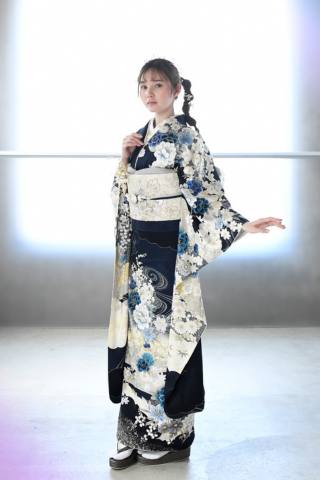
As you plan your trip to Japan, you might be considering ways to truly immerse yourself in the country’s rich cultural heritage. One unique experience that’s gained popularity is kimono rental, allowing you to wear a traditional garment while exploring Japan’s famous temples and shrines. With rental shops popping up near popular tourist spots, it’s easier than ever to don a kimono and take stunning photos to commemorate your trip. But what’s behind the kimono’s cultural significance, and how can you make the most of this traditional experience?
Unwrapping the Kimono’s Cultural Significance
As you delve into the world of kimono rental, you’re likely to uncover the rich tapestry of Japanese culture that’s intricately woven into every fold of this traditional garment.
You’ll discover that kimonos are more than just beautiful clothes – they’re a symbol of Japan’s heritage and a reflection of its people’s values. The fabrics, patterns, and designs all hold meaning, representing different aspects of Japanese culture, such as nature, seasons, and social status.
The way a kimono is worn and accessorized also speaks to the wearer’s character and intentions. For example, a traditional wedding 振袖 レンタル is often adorned with symbols of good luck and longevity, while a kimono worn to a tea ceremony might feature subtle, understated designs.
As you explore the world of kimono rental, you’ll gain a deeper understanding of Japan’s cultural nuances and develop a new appreciation for this timeless garment.
A Brief History of Kimono Traditions
Two thousand years of history have shaped the kimono into the iconic garment it’s today.
You might be surprised to learn that the kimono’s origins date back to the Heian period (794-1185 CE), when it was worn as an undergarment.
Over time, the kimono evolved to become a symbol of Japanese culture and tradition.
During the Edo period (1603-1868 CE), the kimono became more widespread, and its designs and patterns were influenced by the aristocracy and samurai classes.
The kimono’s popularity peaked in the 18th century, when it was worn by people of all social classes.
You’ll notice that the kimono’s design and fabrics varied depending on the occasion, region, and social status.
For example, kimonos worn for special occasions like weddings and tea ceremonies were often more ornate and elaborate.
As you explore the world of kimono traditions, you’ll discover the rich history and cultural significance behind this stunning garment.
The Rise of Kimono Rental Services
You’ve discovered the rich history and cultural significance of kimonos, but now you might be wondering how to experience wearing one without breaking the bank.
Luckily, you’re not alone, and many entrepreneurs have caught on to the growing demand for kimono rentals.
Over the past decade, kimono rental services have sprouted up across Japan, particularly in popular tourist areas like Kyoto, Tokyo, and Osaka.
These services cater to modern travelers like you, offering an affordable and convenient way to wear a kimono without the hefty price tag.
These rental services typically provide a wide range of kimonos to choose from, including traditional and modern designs.
Some even offer additional services, such as hair styling, makeup, and photography, to help you capture the perfect Instagram-worthy moment.
With prices starting from as low as ¥2,000 (around $18 USD), it’s now possible to experience the beauty of kimono culture without the financial burden.
Whether you’re looking to stroll around temples, attend a traditional tea ceremony, or simply take some memorable photos, kimono rental services are making it easier than ever to immerse yourself in Japan’s rich cultural heritage.
Getting Ready for a Kimono Experience
Before donning a kimono, it’s essential to prepare yourself for the experience.
You’ll want to set aside enough time to get ready, as the process can take around an hour. Start by wearing undergarments and socks, as these will be visible under the kimono.
It’s also a good idea to wear your hair in a simple style, as kimonos often come with traditional hairstyles.
Choose an outfit that you can easily remove, as you’ll need to change into a yukata or under-kimono.
Consider wearing minimal jewelry, as kimonos are often adorned with intricate designs.
Remove your glasses or contact lenses, if possible, as kimonos can be worn with traditional Japanese geta sandals, which may not accommodate glasses.
Lastly, be prepared to move slowly and deliberately while wearing the kimono.
The traditional garment can be heavy and cumbersome, so it’s essential to be mindful of your movements.
Where to Rent a Kimono in Japan
Many kimono rental shops are scattered throughout Japan, particularly in cities with rich cultural heritage like Kyoto, Nara, and Kanazawa.
You’ll find them in popular tourist areas, often near famous temples and shrines. In Kyoto, you can try Kimono Rental Wargo, which offers a wide range of kimonos and obis.
In Nara, Nara Kimono Rental is a popular choice, with over 1,000 kimonos to choose from. Kanazawa’s Higashi Chaya District is home to several shops, including Kanazawa Kimono Rental.
When selecting a rental shop, consider factors like price, kimono selection, and English language support. Some shops offer additional services, such as hair styling and photography.
You can also book online in advance to ensure availability, especially during peak travel seasons. Be prepared to spend around ¥2,000-¥5,000 (approximately $18-45 USD) for a basic rental package, which usually includes the kimono, obi, and accessories.
With so many options available, you’re sure to find a shop that fits your needs and budget.
Conclusion
You’ve wrapped yourself in a stunning kimono, ready to take on Japan’s iconic landmarks. As you stroll through ancient temples and shrines, you’re not just a tourist – you’re an honorary local, immersed in a centuries-old tradition. With kimono rental services, modern travelers like you can experience Japan’s rich cultural heritage without breaking the bank. So go ahead, take a selfie, and make unforgettable memories in your vibrant kimono!