

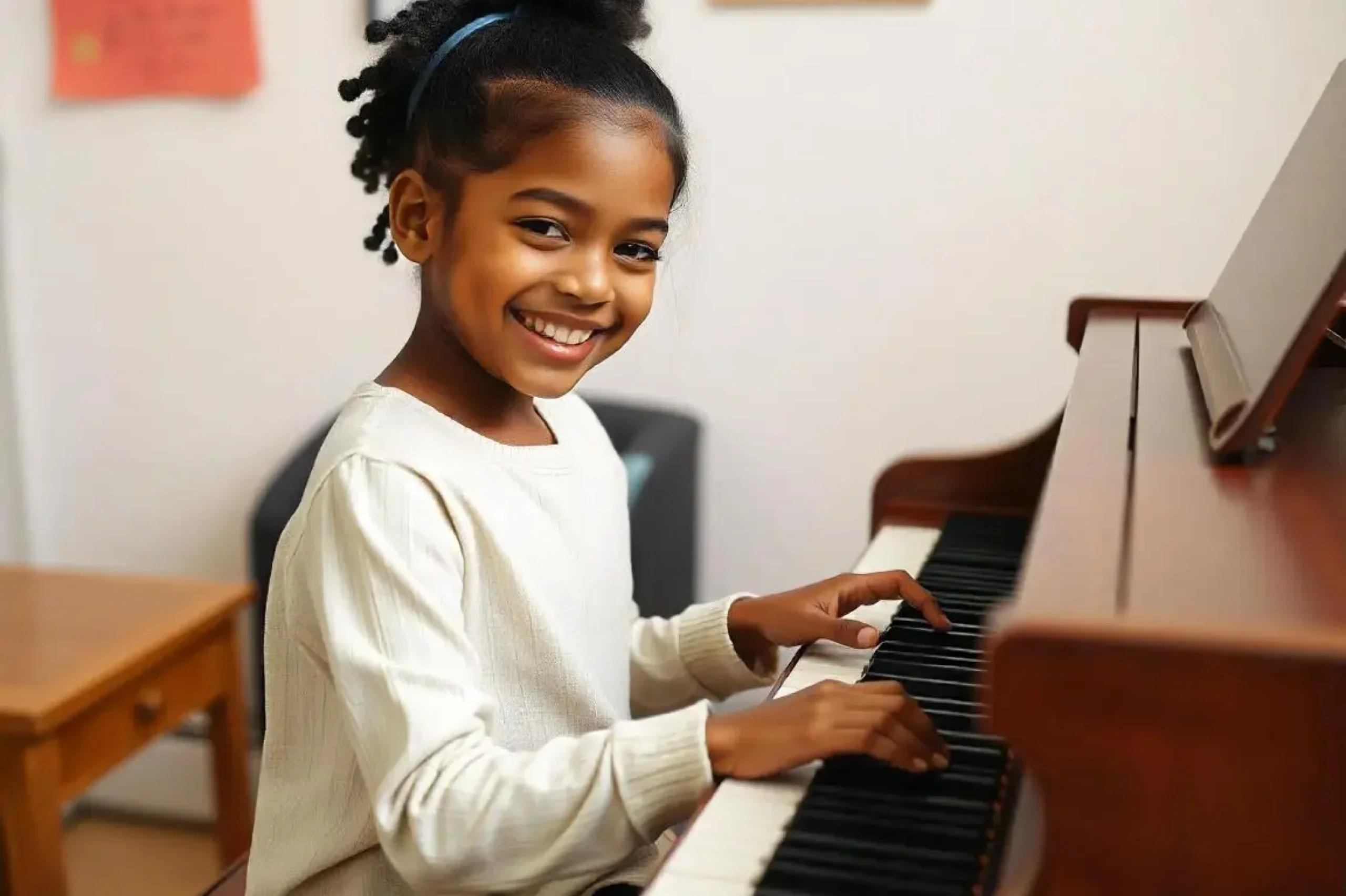
Learning to play the piano is one of the most rewarding musical journeys a person can undertake. Piano lessons help develop creativity, discipline, concentration, and emotional expression. Whether you are a beginner hoping to play simple melodies or an advanced student refining technique, structured piano lessons can guide you toward musical mastery. The piano is a versatile instrument used in classical music, pop, jazz, and many other genres, making it an excellent choice for aspiring musicians.
Why Piano Lessons Are Important
Piano lessons provide a solid foundation in music theory and performance skills. Unlike self-learning methods that may lead to bad habits, professional lessons help students learn correct posture, finger positioning, and reading musical notation. Proper instruction also improves timing, rhythm, and ear training, which are essential skills for any musician.
Another benefit of piano lessons is mental development. Learning music stimulates both sides of the brain and enhances memory and problem-solving abilities. Many students find that playing the piano reduces stress and provides a healthy emotional outlet after a busy day.
Choosing Between Online and Offline Piano Lessons
Modern technology has made piano education more accessible than ever. Students can now choose between traditional in-person classes and online piano lessons.
Offline piano lessons offer direct interaction with a teacher. This method allows instructors to correct posture and technique immediately. It is especially helpful for beginners who need close supervision while learning basic skills.
Online piano lessons are becoming increasingly popular because of their flexibility. Students can learn from professional instructors worldwide without leaving home. Video tutorials, interactive apps, and live sessions make online learning more engaging and convenient. However, success in online learning requires self-discipline and regular practice.
Essential Skills Learned in Piano Lessons
Piano lessons cover several fundamental skills that help students grow as musicians.
1. Reading Music Sheets
One of the first things students learn is how to read musical notation. Understanding notes, scales, and rhythm patterns is essential for playing songs accurately. Beginners usually start with simple sheet music and gradually move toward more complex compositions.
2. Finger Technique and Hand Coordination
Proper finger movement is critical for smooth piano playing. Students learn exercises that strengthen finger muscles and improve coordination between the left and right hands. Practice exercises such as scales and arpeggios are commonly used to build technique.
3. Rhythm and Timing
Good musicians must maintain consistent rhythm. Virtual Singing Lessons teach students how to follow tempo, count beats, and play in synchronization with music. Using a metronome is a common practice method for improving timing skills.
4. Musical Expression
Playing piano is not only about pressing keys but also about expressing emotions through music. Students learn dynamics such as playing softly or loudly, adding feeling and personality to their performance.
Best Age to Start Piano Lessons
There is no fixed age to begin piano lessons, but many experts recommend starting between the ages of five and ten for children. At this stage, children are more likely to develop good learning habits and finger flexibility.
However, adults should not hesitate to start learning piano. Many adult learners successfully master the piano because they are more disciplined and motivated. Adult piano students often progress quickly because they understand learning goals clearly.
How Often Should You Practice Piano?
Regular practice is the key to success in piano learning. Most beginners should practice at least 30 to 60 minutes daily. Advanced students may need one to two hours of practice each day.
Effective practice is more important than long hours of playing without focus. Students should divide practice time into sections such as warm-up exercises, learning new songs, and reviewing previous lessons.
Common Challenges in Learning Piano
Learning piano is enjoyable, but students may face some challenges during their journey.
One common challenge is finger fatigue. Beginners may feel pain or discomfort when starting practice because their fingers are not yet strong enough. This problem usually improves with consistent practice.
Another challenge is maintaining motivation. Some students lose interest when progress seems slow. Setting small goals and learning favorite songs can help maintain enthusiasm.
Reading music notation can also be difficult for beginners. Taking time to understand musical symbols and practicing slowly is the best way to overcome this challenge.
Benefits of Learning Piano
Piano lessons offer many advantages beyond musical ability.
First, piano playing improves cognitive development. Studies show that music training enhances memory, attention span, and academic performance.
Second, playing piano helps reduce stress and anxiety. Music therapy is widely used to improve mental health and emotional well-being.
Third, piano skills can open career opportunities. Some students become professional musicians, music teachers, or composers.
Fourth, learning piano improves social confidence. Performing in front of others helps overcome stage fear and builds self-esteem.
Tips for Successful Piano Learning
To succeed in piano lessons, students should follow several important tips.
Start with simple songs before attempting complex compositions. Learning easy music builds confidence and strengthens basic skills.
Maintain consistent practice schedules. Even short daily practice sessions are more effective than irregular long sessions.
Listen carefully to professional piano performances to improve musical understanding.
Stay patient and avoid rushing progress. Mastery of piano playing takes time and dedication.
Use a good quality instrument if possible. A well-maintained piano or keyboard produces better sound and improves learning experience.
Role of Teachers in Piano Lessons
A good piano teacher plays a vital role in student development. Teachers guide students through proper techniques, correct mistakes, and provide motivation. Experienced instructors also help students choose suitable music pieces according to their skill level.
Feedback from teachers is important because it helps students improve faster. Students should feel comfortable asking questions and seeking guidance during lessons.
Future of Piano Learning
Technology continues to transform piano education. Smart keyboards, learning applications, and artificial intelligence tools are making music learning more interactive. Students can now track their progress, receive instant feedback, and practice with virtual accompaniment.
Despite technological advances, human guidance remains important. Personal instruction helps students develop artistic expression and musical sensitivity.
Choosing Between Online and Offline Piano Lessons
0
Piano lessons are an excellent way to explore music and develop valuable life skills. Whether learning for personal enjoyment or professional growth, piano education offers long-term benefits. With regular practice, patience, and proper guidance, anyone can learn to play the piano successfully.
The journey of learning piano may be challenging at times, but the reward of creating beautiful music makes every effort worthwhile. By staying committed and passionate, students can transform simple key presses into meaningful melodies that inspire both themselves and others.