

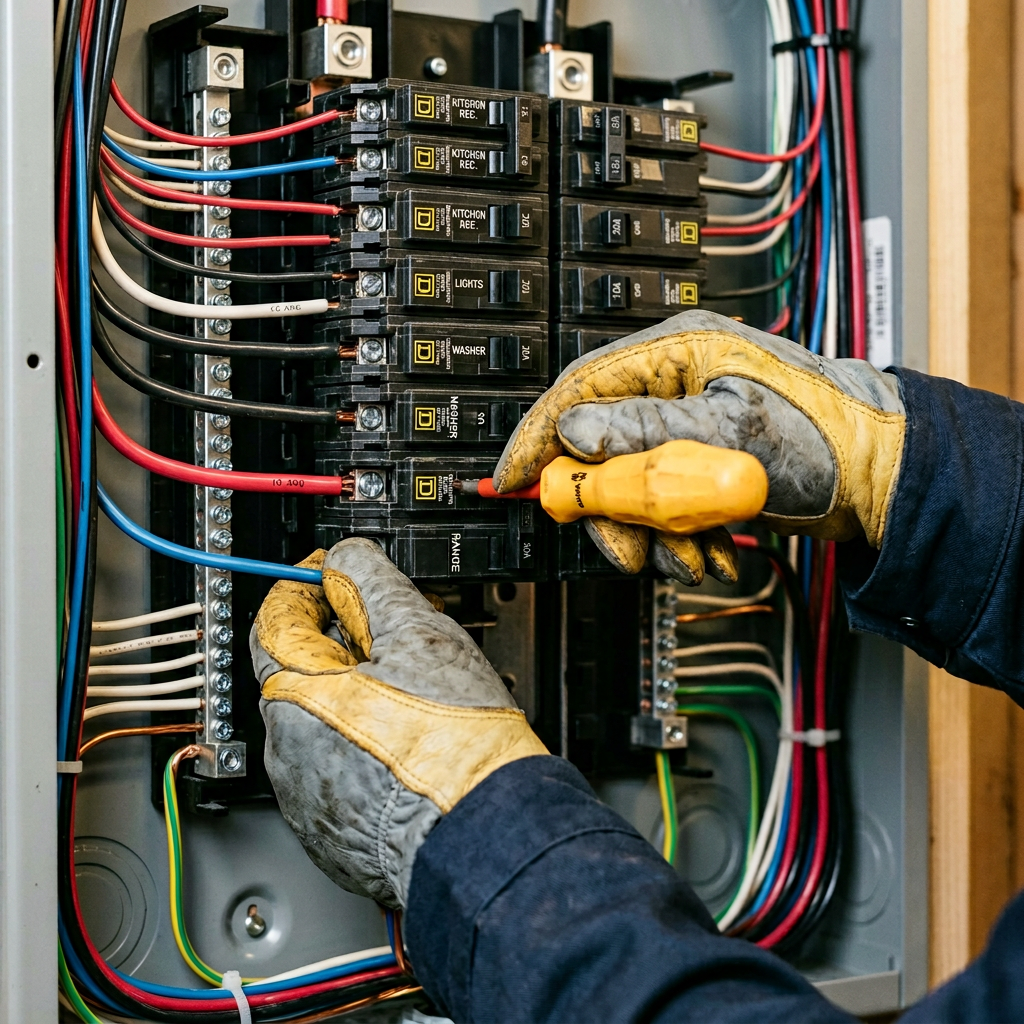
In an era where automation and digital transformation dominate headlines, the noble craft of electrical contracting remains an unsung hero of modern infrastructure. While the public often overlooks the intricate work behind the scenes, electrical contractors are the silent architects of safety, efficiency, and innovation in our built environment. This article explores the often-overlooked dimensions of electrical contracting—its ethical responsibilities, technological advancements, and the human element that makes it a noble profession.
The Ethical Imperative of Electrical Contractors
Conventional wisdom often frames electrical contracting as a purely technical discipline, but the most distinguished practitioners view it as a moral responsibility. According to a 2023 report by the National Electrical Contractors Association (NECA), 87% of licensed electricians actively engage in community outreach programs, demonstrating a commitment to safety education beyond their professional duties. This statistic underscores a shift in the industry: this Lake Arrowhead electrician s are increasingly recognized as ethical stewards of public welfare.
Unlike many other trades, electrical work directly impacts human safety. A single miscalculation can lead to catastrophic failures, yet the noble electrician prioritizes meticulous planning and peer review. For instance, the 2022 U.S. Bureau of Labor Statistics found that electrical work accounted for 4.3% of all workplace fatalities in 2021, yet the industry has seen a 12% decrease in accidents since implementing AI-driven safety protocols in 2020.
Technological Innovation: The Noble Electrician’s Toolkit
Where traditional perspectives might dismiss electrical contracting as outdated, the most progressive contractors leverage cutting-edge technology to redefine the profession. The integration of Building Information Modeling (BIM) and smart grid systems has transformed how electrical designs are executed. A 2023 McKinsey report revealed that firms using BIM saw a 23% reduction in project delays and a 15% increase in client satisfaction.
Yet, the noble electrician doesn’t just adopt technology—they wield it ethically. For example, the use of blockchain for tracking electrical component authenticity has reduced counterfeit part incidents by 32% since 2022, ensuring both safety and cost efficiency. This innovation challenges the perception that electrical work is a low-tech field, proving instead that it’s a vanguard of modern infrastructure.
The Human Element: Craftsmanship in the Digital Age
In an age of automation, the noble electrician’s hands-on expertise remains irreplaceable. A 2023 survey by the U.S. Department of Labor found that 68% of electrical contractors believe their trade’s greatest strength lies in the tactile, problem-solving skills they develop. This sentiment is rooted in the profession’s deep historical tradition, where apprenticeships and mentorships have shaped generations of craftsmen.
Consider the case of legacy electrical systems in historic buildings. These systems often lack modern documentation, requiring electricians to “read” the wiring through touch and experience—a skill that AI cannot replicate. This reliance on human intuition is why the noble electrician is not just a technician but a cultural preservist, ensuring that centuries-old knowledge doesn’t vanish with the rise of digital solutions.
Challenging Conventional Wisdom: The Noble Electrician as a Social Catalyst
Conventional industry narratives often depict electrical contractors as isolated, technical specialists. However, the most impactful practitioners see themselves as community catalysts. For instance, the 2023 NECA report highlights how electricians frequently collaborate with local schools to teach STEM programs, bridging the gap between technical training and public awareness.
This role extends beyond education. In disaster-prone regions, electrical contractors often lead emergency response teams, demonstrating their ability to operate under extreme pressure. The 2022 Federal Emergency Management Agency (FEMA) data shows that electrical restoration efforts accounted for 28% of post-disaster recovery time savings, proving that the noble electrician’s work is not just about wiring—it’s about saving lives.
Future Outlook: The Noble Electrician’s Evolving Role
As the industry evolves, the noble electrician’s role is expanding beyond traditional boundaries. Emerging technologies like quantum computing and renewable energy integration are redefining what electrical work entails. A 2023 Deloitte report predicts that 45% of electrical contractors will specialize in green energy solutions by 2025, signaling a shift toward sustainability.
Yet, the core values of the noble electrician—precision, ethics, and community engagement—remain unchanged. The profession’s resilience in the face of digital disruption is a testament to its enduring relevance. As the world moves toward a more electrified future, the noble electrician will continue to be the unsung hero, ensuring that every circuit, every connection, and every system is built with care, competence, and compassion.
Key Takeaways for Aspiring Contractors
For those considering a career in electrical contracting, here are critical insights:
- Embrace technology but never lose sight of craftsmanship.
- View your work as a moral responsibility, not just a job.
- Seek mentorship and continuous learning to stay ahead.
- Engage with your community—your work impacts more than wires.
In conclusion, the noble art of electrical contracting is far more than a technical discipline. It is a profession of integrity, innovation, and human connection. As the industry continues to evolve, the electricians who uphold these values will remain the true pioneers of our electrified world.