

Why The POCO PW 38000 Is Ideal For On-the-Go Vaping
The POCO PW 38000 is created with user-friendliness in mind. For people who may really feel intimidated by the complexities of traditional vaping systems– such as changing coils, loading containers, and changing airflow– the POCO PW 38000 provides an uncomplicated choice that prioritizes convenience of usage. The draw-activated system ensures that nearly anybody can figure out just how to utilize it without any kind of previous experience, making it an ideal entrance point for new vapers looking to shift from standard cigarettes to vaping.
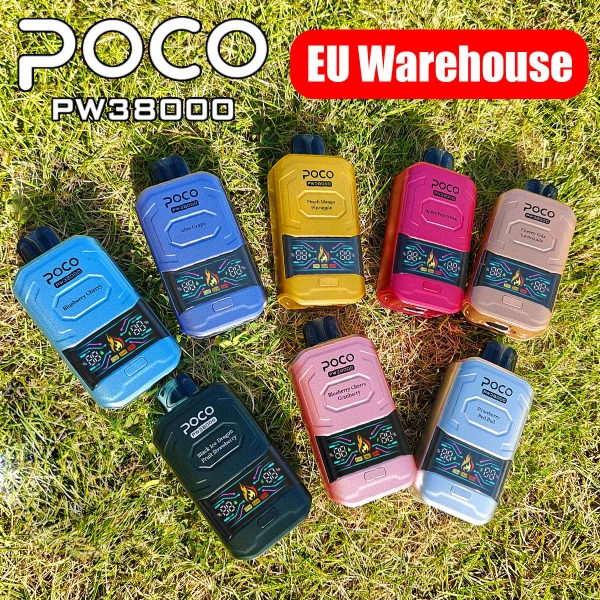
In enhancement to its sensible style and usability, an additional considerable draw to the POCO PW 38000 is the outstanding variety of flavors offered. The POCO PW 38000 range includes a comprehensive checklist of tastes to satisfy many tastes buds– from fruity mixtures and classic tobacco to dessert-like indulgences. In a market where personalization is key, the POCO PW 38000 lusters by providing a range of selections that cater to varying choices, producing an extra engaging experience for each private user.
With the influx of different brands and products, vapers require guarantee pertaining to the top quality and security of the vaping gadgets they select. The ability to purchase POCO PW 38000 vapes from EU warehouses even more highlights its charm, as it makes sure faster delivery times and compliance with regional regulations. When it comes to taking pleasure in vaping products, tranquility of mind is essential, and recognizing that one is obtaining a quality tool straight from a neighborhood source dramatically enhances the overall experience.
In addition to the ease of local getting, the POCO PW 38000 additionally stands apart in its application of modern technology and cutting-edge design. The device utilizes a effective and constant mechanism made to keep taste stability and vapor production throughout its life-span. Users do not need to stress over flavor destruction or harshness as they get to the end of the gadget’s usage. This uniformity is important for maintaining a satisfying vaping experience, reinforcing the idea that top quality matters just as high as quantity. The combination of a remarkable puff count and reputable efficiency seals the POCO PW 38000 as a formidable rival in the disposable vape market. For those who prioritize longevity without sacrificing the enjoyment that comes from abundant, tasty vapor, the POCO PW 38000 serves as a prototype of what modern-day vaping innovation can accomplish.
The surge of disposable vapes like the POCO PW 38000 highlights a bigger trend in smoking cigarettes cessation approaches. As less individuals are drawn to conventional tobacco items, many are transforming to vaping as a much less harmful choice. The POCO PW 38000 help those transitioning far from cigarettes by supplying an experience a lot more tailored to personal choices, while additionally being less damaging than typical smoking cigarettes. While it is crucial for vapers to be mindful of pure nicotine consumption and its prospective effects on wellness, products like the POCO PW 38000 provide an extra tasty option for those looking for to give up cigarette smoking entirely. The communication of ease of usage, taste range, and substantial puff counts reverberates with those making this switch, adding to the more comprehensive public wellness goal of reducing tobacco-related harm across Europe.
One more noteworthy facet of vaping is just how it has actually cultivated neighborhoods and social connections among its individuals. Numerous vapers find happiness in sharing their experiences, suggesting flavors, and talking about the most current tools, urging a sense of friendship. The POCO PW 38000, with its distinctive design and variety of tastes, usually comes to be a subject of discussion in social circles, whether in arranged vape meets or informal celebrations. Vaping has actually sculpted out a particular niche where fanatics can collaborate, share expertise, and bond over their shared interest. This sense of neighborhood is intensified by social networks platforms, where vapers from throughout Europe can link, assess items, and go over trends in actual time. With the POCO PW 38000 at the leading edge of numerous discussions, it works as a catalyst for communication, bridging gaps in between individuals who may have otherwise never ever went across paths.
Moreover, as vaping remains to be a topic of both passion and conflict, public assumption plays a substantial role in shaping the industry’s future. Educational initiatives targeted at debunking vaping and addressing the mistaken beliefs surrounding it are ending up being increasingly crucial. As a leading product, the POCO PW 38000 can additionally play a part in this discussion, promoting liable use and providing info about its design high quality and security criteria. Urging openness within the vaping market can help cultivate better acceptance and understanding among non-vapers. In an environment where false information can lead to unnecessary worry and stigma, having legitimate, top quality products positioned favorably can lead the way for progression.
Discover puff eu the POCO PW 38000, a standout disposable vape known for its impressive 38,000 puffs, straightforward design, and diverse flavor options, making it a top choice for vapers in Europe seeking convenience and complete satisfaction.
In addition, the environmental effect of disposable vapes positions a substantial challenge within this industry. Understanding around sustainability is increasing, and vapers are ending up being more diligent about their options. As the POCO PW 38000 is a disposable gadget, it adds to a wider argument on how to balance comfort with ecological duty. Brand names are beginning to innovate with better products and recycling efforts to minimize their ecological impact. Progressing, customers will pay closer interest to brand names that prioritize sustainability in their manufacturing processes. The hope is that also within the disposable section, steps can be required to develop a much more lasting future without giving up the individual experience or the enjoyment that vaping gives several.
As we look at the future landscape of vaping, the POCO PW 38000 stands as an icon of versatility and responsiveness to market needs. Whether via enhanced gadgets, enhanced flavors, or eco conscious alternatives, the journey of vaping is much from complete, and items like the POCO PW 38000 are leading the means for interesting advancements to come. Generally, the balance of individual, benefit, and complete satisfaction engagement personified by the POCO PW 38000 guarantees its standing as a favored among vapers, both in Europe and beyond, as the culture surrounding vaping proceeds to grow.
Discover The Best Singapore Aesthetic Treatment For Radiant Skin And Confidence
Singapore has emerged as one of the leading destinations in Asia for aesthetic treatments, attracting people from around the world seeking high-quality skincare, cosmetic enhancements, and overall rejuvenation. Known for its advanced medical technology, strict regulations, and highly trained professionals, Singapore offers a wide array of aesthetic treatments that cater to diverse skin types and beauty goals. Whether you are looking to reduce wrinkles, improve skin texture, or enhance your facial features, Singapore aesthetic treatment centers provide solutions that are both safe and effective.
Advanced Technology and Expertise
One of the main reasons Singapore has gained a reputation for excellence in aesthetic treatments is its combination of cutting-edge technology and skilled practitioners. Clinics in Singapore often use state-of-the-art equipment, such as laser devices, radiofrequency machines, and non-invasive fat reduction tools. These technologies ensure that treatments are precise, minimally invasive, and produce long-lasting results. Additionally, aesthetic practitioners in Singapore undergo rigorous training, often in collaboration with international institutions, ensuring a high standard of care for all patients.
Non-Surgical Treatments
Non-surgical aesthetic treatments have become increasingly popular in Singapore due to their convenience, effectiveness, and minimal downtime. Popular options include Botox and dermal fillers, which help reduce fine lines, wrinkles, and restore volume to facial areas such as cheeks and lips. Skin rejuvenation treatments, such as chemical peels, microdermabrasion, and laser therapy, address issues like pigmentation, acne scars, and dull skin. Many clinics also offer non-invasive body contouring procedures that target stubborn fat and cellulite, providing a sculpted appearance without the need for surgery.
Surgical Aesthetic Options
For those seeking more significant transformations, Singapore also offers a comprehensive range of surgical aesthetic treatments. Cosmetic surgeries such as rhinoplasty, eyelid surgery, breast augmentation, and liposuction are performed by experienced surgeons who emphasize safety and natural-looking results. Singapore’s strict medical regulations ensure that these procedures are conducted in accredited facilities, minimizing risks and promoting optimal recovery outcomes. Patients considering surgical options often receive detailed consultations, allowing them to make informed decisions about their aesthetic goals.
Personalized Consultations and Treatment Plans
A key aspect of Singapore aesthetic treatment is the personalized approach taken by clinics and practitioners. Each patient’s skin type, medical history, and desired outcome are carefully assessed before recommending any procedure. This individualized treatment planning helps achieve the best results while minimizing potential side effects. Many aesthetic centers also offer follow-up care and post-treatment advice, ensuring that patients maintain their results and continue to enjoy healthy, radiant skin.
Safety and Regulatory Standards
Safety is a top priority in Singapore’s aesthetic industry. The country has strict regulations governing clinics, medical professionals, and aesthetic procedures, making it one of the safest destinations for cosmetic treatments. All licensed clinics comply with rigorous standards in hygiene, equipment maintenance, and staff qualifications. Patients can therefore feel confident that they are receiving treatments in a controlled and safe environment. Singapore’s emphasis on quality and safety has contributed to its growing popularity among international clients seeking reliable aesthetic services.
Combining Skincare with Aesthetic Treatments
Many Singapore aesthetic clinics emphasize a holistic approach that combines medical treatments with professional skincare advice. Customized skincare regimens, including high-quality serums, creams, and sunscreen, complement aesthetic procedures to enhance results and maintain skin health. This integrated approach ensures that patients not only look better immediately but also enjoy long-term improvements in skin texture, tone, and overall appearance. Nutrition and lifestyle guidance are sometimes offered alongside aesthetic treatments, promoting a comprehensive plan for beauty and wellness.
International Recognition and Medical Tourism
Singapore’s reputation as a hub for aesthetic treatment singapore treatments has also fueled its growth as a destination for medical tourism. International visitors are drawn to the city-state not only for its advanced treatments but also for its convenient travel, multilingual staff, and high standards of healthcare. Many clinics cater specifically to international clients, providing consultation in multiple languages and arranging accommodation or recovery support. This makes Singapore a convenient and trustworthy choice for those seeking high-quality aesthetic procedures abroad.
Conclusion
In conclusion, Singapore aesthetic treatment offers a combination of advanced technology, skilled professionals, safety, and personalized care, making it an ideal choice for anyone looking to enhance their appearance and confidence. From non-invasive procedures to surgical transformations, the city-state provides options that cater to all aesthetic goals. Whether you are a local resident or an international visitor, Singapore’s aesthetic clinics ensure that you receive treatments that are effective, safe, and tailored to your individual needs. With a focus on innovation, quality, and patient satisfaction, Singapore continues to set the standard for aesthetic excellence in the region.
Ultimate Guide to Murchison Falls Tours Experience Uganda’s Iconic Safari Destination A Fresh Perspective
Have you ever felt the deep pull of adventure, the kind that awakens your senses and leaves you with stories you’ll never forget? Maybe you’ve looked at photos of majestic waterfalls or heard stories about wildlife roaming freely in untouched landscapes and wondered what it would truly feel like to experience such wonder firsthand. If so, you’re not alone. Many travelers long for that moment when nature’s raw power and beauty collide, creating a spectacle so profound it touches something deep inside. That’s precisely what makes a trip to Murchison Falls National Park so special—it’s like stepping into a living, breathing postcard of Africa’s wild heart. Murchison Falls Tours
Many people struggle with the feeling of being stuck in routine, craving an escape that’s both exhilarating and meaningful. Yet, the thought of planning a meaningful safari can seem overwhelming—where do you even start? What kind of experiences will truly leave you with a sense of connection to nature? And more importantly, how can you ensure your adventure is authentic and not just another generic tour? Here’s where Murchison Falls comes into play—a place that offers more than just pictures, but a chance to witness the incredible dance of wildlife, water, and ancient landscapes that define Uganda’s wilderness.
The true magic of Murchison Falls lies in its dramatic scenery—imagine witnessing the mighty Nile River force its way through a narrow gorge, crashing down with thunderous power at the base of one of Africa’s most iconic waterfalls. It’s an experience that makes your heart race and your spirit soar. But beyond the awe-inspiring waterfall, the park offers unforgettable wild game drives where herds of elephants, lions, giraffes, and countless other creatures roam freely across sprawling savannahs. There’s also the gentle thrill of a boat cruise along the Victoria Nile, bringing you close to crocodiles, hippos, and even elephants bathing at the water’s edge. And if you’re intrigued by primates, there’s the chance to trek through Budongo Forest, where playful chimpanzees swing through the treetops, giving you a glimpse into their complex social world.
This isn’t just a safari; it’s an immersive journey into some of Africa’s richest ecosystems. The landscape, wildlife, and water combine to craft a multi-sensory experience that stays with you long after you leave. It’s about connecting with the wild in its purest form, feeling the thrill of discovery, and understanding why conservation and respect for nature are so vital. Whether you’re a first-time visitor or a seasoned traveler, the wonders of Murchison Falls have a way of awakening your sense of adventure and reminding you why exploring the natural world is worth every effort. Ready to discover what makes this national park such a jewel of Uganda? Let’s dive into what makes Murchison Falls an unforgettable destination for every explorer at heart.
Making It Work in Practice (Part 22)
When you’re planning a trip to Murchison Falls, the real challenge isn’t just selecting what to do, but how to turn those ideas into memorable experiences. The beauty of this national park lies in its diversity—wild game safaris, boat cruises, and chimpanzee treks—each offering a different glimpse into Uganda’s incredible wilderness. Yet, transforming these activities from mere plans into smooth, enriching adventures takes some thoughtful preparation and awareness of common hurdles.
Key Concepts
The core idea behind making Murchison Falls tours work in practice is understanding that each activity offers unique insights into the park’s ecosystem. For example, game drives are best at dawn or dusk when animals are most active, and you’ll see herds of elephants, lions, giraffes, and more. The Victoria Nile boat cruise, on the other hand, provides a close-up view of the wildlife congregating around the river’s base—hippos, crocodiles, and a variety of waterbirds. Chimpanzee trekking involves tracking these highly intelligent primates through thick forests, requiring patience and a respectful approach. What’s clear is that timing, equipment, and local guides are critical for success. Overlooking these details can mean missing the best moments or, worse, risking safety.
Practical Application
In practice, booking early is essential—especially during peak seasons when parks fill quickly. Most operators recommend starting your day with an early game drive, when animals are most active and the light is perfect for photography. During the boat cruise, it helps to choose a time when the water levels are optimal—usually later morning to early afternoon—to maximize wildlife sightings. For chimpanzee treks, hiring experienced guides familiar with the terrain makes all the difference; they can navigate tricky forest patches and help spot these elusive primates. Also, packing essentials like binoculars, insect repellent, and appropriate clothing can turn a good day into a great one. Remember, flexibility is key—sometimes wildlife doesn’t follow the schedule, and patience is your best friend.
Common Issues & Solutions
Many visitors struggle with unpredictable weather or equipment limitations. For example, overcast days can dim photos or make animal sightings harder. The best fix is to be prepared with waterproof gear and flexible plans. Some people get frustrated when the wildlife is shy or absent; in reality, patience and multiple attempts often pay off. Setting realistic expectations and understanding that nature isn’t a zoo—wild animals follow their own rhythms—can help keep your trip enjoyable regardless of minor setbacks.
The Real Mechanics (Part 23)
When you think about a Murchison Falls tour, it’s tempting to only focus on the breathtaking scenery or the thrill of spotting wildlife. But beneath the surface of those iconic landscapes lies a web of natural processes and well-balanced planning that make these adventures possible — and memorable. Understanding how these elements work together can deepen your appreciation and ensure you’re prepared for what to expect.
Key Concepts
At the heart of Murchison Falls tours are the raw forces of nature and the deliberate efforts to protect and showcase them. The park’s wildlife drives rely on the vast, protected land where animals roam freely, from elephants and giraffes to lions and buffalo. These drives are timed around the cooler parts of the day to optimize animal sightings and viewer comfort. The Victoria Nile, flowing with gentle yet mighty persistence, creates the backdrop for boat cruises to the base of the falls. This waterway not only sustains a vibrant ecosystem but also shapes the very landscape you see. The chimpanzee treks reveal a different side of the park’s ecological tapestry — a delicate balance between primates and their habitat, which requires careful monitoring and respect from visitors. Essentially, each activity hinges on the park’s ecosystem’s health, illustrating how interconnected everything is: water, wildlife, and human activity all influencing each other.
Practical Application
Planning a successful Murchison Falls tour means understanding these mechanics. For example, choosing the right time for wildlife drives can maximize sightings — early mornings often reveal the most activity as animals vigorously start their day. When booking boat cruises, be aware that water levels and weather conditions play a big role; lower water might limit navigation but can reveal hidden sights, while high water might mean a more turbulent ride but a different perspective. For chimpanzee trekking, patience and quiet observation are key since primates are shy and sensitive to disturbances. Knowing the park’s routines and natural patterns helps you interpret what you see, turning a simple excursion into a meaningful experience.
Common Issues & Solutions
Many visitors face challenges like unpredictable weather or missed sightings, which can be disappointing. The best remedy is flexibility—be prepared for change and have realistic expectations. Sometimes, animals hide or water levels prevent boat trips; in those moments, focusing on the scenery or birdwatching can still be rewarding. Communicating with guides about your interests can lead to alternative experiences that make your trip worthwhile, even if initial plans fall through. Patience, understanding, and an open mind are the real keys to uncovering the secrets of Murchison Falls.
Understanding the Core Concept (Part 22)
When you think about Murchison Falls tours, what likely comes to mind is the breathtaking experience of witnessing one of Africa’s most iconic natural spectacles. But beneath the surface of the awe-inspiring visuals lies a core set of principles that make these tours truly memorable—and meaningful. Grasping this core helps travelers not only appreciate the sights but also connect deeply with the environment and its wildlife.
Key Concepts
At the heart of Murchison Falls tours is the idea of immersion—getting close enough to feel the raw power of nature while maintaining respect and caution. The tours often revolve around three main activities: the wild game drives, the boat cruise to the falls’ base, and chimpanzee trekking. Each activity offers a different perspective of the park’s ecosystem.
The game drives provide an opportunity to observe the diversity of wildlife—elephants, buffalo, lions, and antelope—roaming their natural habitat. The Victoria Nile boat cruise takes visitors right into the heart of the river’s energy, where the mighty water plunges through the narrow gap of the falls, creating an awe-inspiring spectacle of power and motion. Meanwhile, chimpanzee treks reveal the subtle, intimate behaviors of primates in forested corridors, highlighting the park’s ecological richness.
What’s fascinating here is that these experiences aren’t just about seeing animals—they’re about understanding the delicate balance of life in the wilderness. Each activity encapsulates a core principle: preservation, respect, and education. When you truly grasp these ideas, the tour transforms from a simple adventure into a meaningful journey into Africa’s wild heart.
Practical Application
Planning a Murchison Falls tour means choosing activities that match your interests and physical capabilities. For example, if you’re keen on photography and wildlife, a game drive during early morning hours might be best, as animals are most active then. The boat cruise is perfect if you want a relaxed experience, offering striking photo opportunities of the falls and wildlife along the riverbanks.
Chimps trekking requires a bit of stamina and patience, as primates are free-ranging and sometimes elusive. It’s wise to go with a knowledgeable guide who can interpret animal behavior and ensure safety. Deciding which activities to prioritize depends on your schedule and what kind of encounter you’re seeking—closer animal interactions or grand scenic vistas.
Most importantly, understanding what each activity involves helps set realistic expectations. Don’t expect to see every animal or have perfect conditions—nature is unpredictable. However, choosing wisely and being prepared enriches the experience, turning it into an authentic adventure.
Common Issues & Solutions
Many travelers grapple with the unpredictability of wildlife encounters or the physical demands of certain activities. For example, some might feel disappointed if animals aren’t as visible during game drives or find the trek to see chimpanzees more challenging than expected.
The key is to stay patient and flexible. Most issues stem from overpacking expectations—remember, you’re entering a wild ecosystem, not a zoo. A practical tip is to go with experienced guides who can adapt to changing conditions, suggest alternative viewpoints, or modify plans if needed. Being open-minded and prepared for the unexpected makes all the difference in turning challenges into memorable moments.
Putting It into Action (Part 21)
When planning an unforgettable trip to Murchison Falls, it’s the moments spent engaging with the wild that truly transform a visit into a memory for a lifetime. From game drives to boat cruises to chimpanzee treks, each activity connects you deeper to the heart of Uganda’s wilderness. But to make sure you get the most out of your adventure, understanding how to approach these experiences practically can be the difference between a good trip and an extraordinary one.
Key Concepts
Wild game drives in Murchison Falls National Park are designed to give visitors a chance to see the diverse animals that call this region home. The core idea is to explore different habitats—woodlands, savannah plains, and riverbanks—using open-sided vehicles that allow for an unobstructed view. Animals are most active early morning or late afternoon, which makes timing crucial for a successful drive. The chances of spotting elephants, lions, giraffes, and even elusive leopards increase significantly if you follow the park guides’ advice on where to go and when.
Meanwhile, the boat cruise to the base of Murchison Falls offers an awe-inspiring perspective of the mighty river and its surroundings. It’s not just a scenic ride but an opportunity to observe hippos, crocodiles, and a large variety of bird species —a photographer’s dream, for sure. The chimpanzee trek, on the other hand, immerses you in the lush forests, where these intelligent primates are often seen foraging. Understanding the behavior patterns of each species helps you anticipate their movements and increases your chances of a close encounter.
Practical Application
To make your adventures smooth, consider planning game drives early in the morning or late in the afternoon when wildlife is most active. Booking guided tours in advance often ensures better access and local expertise — guides can navigate the best spots for sightings and explain animal behavior along the way. On boat trips, it’s wise to bring a camera with a good zoom lens and some snacks, as the ride lasts a couple of hours and can be surprisingly hot amid the spray of the falls. When it comes to chimpanzee trekking, be prepared for a brisk walk through the forest—wear comfortable shoes, long sleeves, and insect repellent. Also, remember to follow park guidelines strictly to avoid disturbing the animals or damaging the habitat.
Common Issues & Solutions
Many visitors underestimate how unpredictable wildlife sightings can be or struggle with limited time. The key is patience—wild animals have their own schedules, and rushing only reduces your chances. To overcome this, plan multiple game drives across different days, and don’t rely on just one outing. Also, some people forget to bring essentials like sunscreen, hats, or insect repellent, which can turn a beautiful day into an uncomfortable one. The solution? Pack smart, prepare for various weather conditions, and trust your guides—they know the land better than anyone. Most importantly, stay flexible and open-minded. The wild’s charm often lies in its unpredictability, and sometimes, the unexpected moments become the most treasured parts of your journey.
The Positive Side (Part 28)
When you think about exploring Murchison Falls, one thing becomes clear: the experience offers more than just a glimpse of Africa’s wild beauty—it’s a journey that awakens your senses, deepens your understanding of nature, and leaves you with unforgettable memories. From the thrill of spotting elusive animals during game drives to the breathtaking beauty of approaching the falls on a boat cruise, the positives of taking this adventure are simply undeniable. But what makes the experience genuinely enriching goes beyond the surface; it’s about connection, discovery, and a sense of wonder that sticks with you long after the trip ends.
Key Concepts
The core of Murchison Falls tours revolves around the harmonious coexistence of diverse ecosystems. The park is a sanctuary for a remarkable variety of wildlife—herds of elephants, lions lounging under acacia trees, elusive leopards, and countless bird species that paint the sky with vibrant colors. The core principle here is proximity: the tours are designed to bring visitors face-to-face with nature in its raw, undisturbed state. The game drives offer a chance to learn about animal behavior and ecological balance—seeing a herd of elephants crossing the river or a lion lazing in the shade can feel like a private show curated by nature itself. Additionally, the boat cruise to the base of the falls provides a perspective unreachable from land, emphasizing the sheer power and beauty of this iconic spot while allowing close encounters with hippos, crocodiles, and waterbirds.
Practical Application
Most tours are structured around a combination of game drives during early mornings and late afternoons when animals are most active. The boat cruise typically takes place in the mid-morning or late afternoon, when the light creates stunning reflections on the water. Choosing the right time to visit makes a noticeable difference—peak dry seasons often mean wildlife congregates around water sources, increasing your chances of sightings. For those interested in chimpanzee trekking, early morning excursions into the forest are ideal, as these intelligent primates are most active during the cooler parts of the day. Having a knowledgeable guide, equipped with a good pair of binoculars and a camera with a zoom lens, enhances the experience immensely.
Common Issues & Solutions
Many visitors face challenges with unpredictable animal sightings or crowded boat cruises. The truth is, wildlife is unpredictable, and patience is key—most successful trips involve a willingness to wait and an understanding that nature doesn’t operate on a schedule. To improve chances, opt for early morning game drives or late afternoon boat rides when wildlife tends to be most visible. If crowds bother you, consider private tours or less busy times of the year. Remember, the beauty of Murchison Falls lies in its raw, untamed nature—embrace the unpredictability, and you’ll find the experience richer and more authentic.
Why This Could Help (Part 24)
Imagine standing on the banks of the Nile, watching a herd of elephants wade through the water, or listening to the distant roar of the Falls echoing through the wilderness. For many travelers, Murchison Falls Tours offer far more than just sightseeing; they create unforgettable memories and deepen understanding of Africa’s rich wildlife and rugged landscapes. If you’re seeking an experience that combines adventure, nature, and a touch of serenity, this could be exactly what you need.
Key Concepts
The core idea behind Murchison Falls Tours revolves around immersing yourself in one of Uganda’s most iconic national parks. The main attractions include wild game drives—where safaris bring you face-to-face with elephants, lions, giraffes, and buffalo—giving you a glimpse into their natural habitats. Then, there’s the Victoria Nile boat cruise, which takes you to the foot of the mighty falls, allowing you to witness the sheer power of rushing water and the variety of wildlife that congregates along the riverbanks, like crocodiles, hippos, and many bird species. Lastly, chimpanzee trekking offers a rare chance to observe primates in their natural environment, fostering a deeper appreciation for conservation efforts. These experiences aren’t just scenic—they carry a deeper purpose, connecting travelers with nature and highlighting the importance of preserving this fragile ecosystem.
Practical Application
If you’re planning a trip, timing is key—most tours are best during dry seasons when wildlife congregates near water sources, making sightings more predictable. Choosing the right tour package matters; some focus solely on game drives, while others bundle a boat cruise and chimp trek, offering a comprehensive experience. It helps to prioritize what excites you most—wildlife, water scenery, or primates—and select tours that align. Practical tips include arriving early to spots like the falls, where the spectacle is most dramatic in the morning light, and packing proper gear—binoculars, sun protection, and sturdy footwear—to enhance your adventures.
Common Issues & Solutions
Many travelers face confusion over which activities are worth the cost or worry about safety during game drives. The key is to choose reputable operators with experienced guides, ensuring safety and genuine encounters. Where people often struggle is with unpredictable wildlife sightings; patience and flexibility are your best allies. Remember, nature doesn’t always follow your schedule, but the wait often pays off with extraordinary moments few get to witness.
The Foundation You Need (Part 19)
When it comes to exploring Murchison Falls, understanding the core experiences that make this destination unique can truly transform your trip. It’s not just about ticking off activities; it’s about immersing yourself in an environment where nature’s raw power and gentle beauty collide. Whether you’re drawn to the thrill of spotting wild animals, the serenity of river cruises, or the chance to witness chimpanzees in their natural habitat, knowing what to expect forms the backbone of a memorable journey.
Key Concepts
At the heart of Murchison Falls adventures lies a blend of diverse wildlife, stunning landscapes, and intriguing ecosystems. The park’s wild game drives are designed to bring you face-to-face with Africa’s famous residents—elephants, lions, giraffes, and more—often in scenes that seem almost cinematic. The Victoria Nile boat cruise offers a different perspective—gliding along peaceful waters as the river’s great power culminates in the thunderous Murchison Falls themselves. Here, the water crashes through a narrow gorge, creating a spectacle that’s both awe-inspiring and humbling. Chimpanzee trekking adds a rare, intimate encounter with primates, revealing their complex social behaviors and playful nature. These core activities are interconnected; they paint a holistic picture of the park’s ecological richness, making each experience more meaningful.
Practical Application
To get the most out of your trip, timing and planning are crucial. Morning game drives are typically best when animals are most active, while late afternoon often yields better chances for wildlife sightings as animals return to water sources. The boat cruise should be booked in advance, especially during peak dry seasons when the river levels are low but the wildlife congregates along the banks. For chimpanzee trekking, permits are required, and it’s wise to go with experienced guides who can read the primates’ behaviors and ensure respectful observation. Balancing these activities depends on your interests and physical readiness—think about how much adventure you want versus a more relaxed pace.
Common Issues & Solutions
One frequent challenge travelers face is overestimating the frequency of sightings—wildlife remains unpredictable. To avoid frustration, approach each activity with patience and a flexible mindset. Sometimes, the magic is in the quiet moments—watching birds or listening to the sounds of the forest. Another common mistake is underpreparing for outdoor conditions; pack appropriately, including sun protection, insect repellent, and comfortable footwear. Most importantly, remember that the true value is in the experience, not just ticking off every animal or activity. The key is to embrace the surprises nature offers—and trust your guides to make every moment count.
First Things First (Part 22)
When planning a trip to Murchison Falls, the real magic begins with understanding what makes this park a standout destination. It’s not just about ticking off a list of activities but immersing yourself in the raw beauty and vibrant life of one of Uganda’s most iconic wilderness areas. From heart-stopping game drives to the peaceful rhythm of the Nile, each experience offers a different perspective on this extraordinary landscape. But before jumping into the adventures, it’s crucial to grasp what truly makes these excursions worthwhile—and what to keep in mind to make your journey smooth and memorable.
Key Concepts
Murchison Falls is renowned for its remarkable concentration of wildlife and the dramatic power of the waterfalls. The core idea behind most tours focuses on getting close to nature—whether through game drives, boat cruises, or chimpanzee treks. Game drives, for example, are designed to maximize sightings of elephants, lions, giraffes, and buffalo in their natural habitat, with early mornings and late afternoons often providing the best chances. The Victoria Nile boat cruise is another essential activity—it’s not just a scenic ride but a chance to witness wildlife gathered at the riverbanks, including crocodiles, hippos, and sometimes elephants crossing the water. Chimpanzee trekking offers a more intimate encounter, usually in a forested area, revealing the intelligence and social behaviors of these primates. All these elements highlight patterns of animal behavior and the park’s ecological importance, making them more than just sightseeing—they’re lessons in conservation and adaptation.
Practical Application
Most tours are scheduled based on the park’s natural rhythms. For game drives, mornings tend to be cooler and more active, while afternoons might reveal different species emerging from shade. Boat cruises often occur at sunrise or late afternoon, when animals are most active along the river, creating perfect photo moments. When planning your trip, consider how long each activity lasts—some tours combine multiple experiences for a full day of exploration. For instance, a typical day might include an early morning game drive, a mid-morning break, then an afternoon boat cruise. Choosing the right time and activity depends on your interests—wildlife viewing, photography, or just soaking in the scenery. Keep in mind that weather and seasonality influence animal movement and visibility; dry seasons often provide better sightings but can be hotter and busier. Trust experienced guides—they know where animals tend to gather and how to avoid common pitfalls like crowded spots or missed sightings.
Common Issues & Solutions
Many visitors underestimate how early or late in the day wildlife becomes most active, leading to missed opportunities. Also, not preparing for weather changes—think sun protection or rain gear—can throw off plans. The solution is simple: listen to your guide’s advice, stay flexible, and pack appropriately. A common challenge is the crowded nature of popular spots during peak seasons, which sometimes disrupts the intimacy of sightings. To combat this, consider off-peak times or less-frequented routes, often recommended by local guides who know the park’s secret trails. Recognizing that wildlife viewing isn’t always guaranteed helps set realistic expectations and keeps the experience enjoyable, no matter what you see. The park’s true value lies in its wilderness spirit—sometimes the quiet moments or the unexpected sightings leave the most lasting impressions.
The Real Advantages (Part 23)
When you step into the world of Murchison Falls Tours, what truly stands out are the unforgettable moments that stay etched in your memory long after the journey ends. From navigating vast landscapes teeming with wildlife to experiencing the raw power of one of Africa’s most iconic waterfalls, these adventures go beyond just sightseeing—they become a window into the wild heart of Uganda. Let’s explore why these tours are more than just a trip—they’re an experience that touches your soul.
Key Concepts
At the core of Murchison Falls Tours is the chance to witness Africa’s rich biodiversity firsthand. The park is a sanctuary for a wide variety of wildlife, including elephants, lions, giraffes, and buffalo that roam freely across the savannahs. The thrill of a wild game drive lies in the unpredictability—each moment offers a new chance to spot elusive animals in their natural habitat. The highlight, of course, is the Victoria Nile boat cruise, which takes visitors to the base of Murchison Falls, where the river’s immense power is on full display. This natural spectacle isn’t just visually stunning; it’s an awe-inspiring reminder of nature’s might, with water plummeting over 140 meters in a thundering display of force. The addition of chimpanzee trekking adds another layer of intimacy, allowing visitors to connect with primates in their forest home, revealing a different facet of Uganda’s wilderness.
Practical Application
Planning a Murchison Falls tour means understanding the best times for wildlife viewing—typically during dry seasons when animals gather around water sources. When booking a game drive, choosing early mornings or late afternoons maximizes your chances to see predators and herbivores going about their daily routines. The boat cruise, usually scheduled mid-morning or afternoon, offers a peaceful yet exhilarating perspective on the waterfalls and wildlife along the riverbanks. For chimpanzee trekking, guided walks in the Kyambura Gorge or Budongo Forest require prior permits and a reasonable level of fitness, but the reward is a rare glimpse into primate behavior close-up. The key is to select a tour package that balances these activities, ensuring you avoid overly crowded times or overly rushed experiences—sometimes, slowing down is where the magic truly happens.
Common Issues & Solutions
Many visitors face challenges like unpredictable weather or tight schedules that cut short wildlife encounters. To mitigate this, flexible planning is crucial—aim for longer stays during peak seasons and leave room for spontaneous moments. Patience is vital; wildlife doesn’t perform on command. If you’re concerned about missing out on certain animals, opt for guided tours with experienced rangers—they know the hotspots and animal patterns. Remember, the “big picture” matters more than ticking off a checklist. Most people find that a relaxed, open-minded approach leads to the most rewarding experiences—sometimes, the best moments are the ones you least expect.
Embracing the Adventure Ahead: Your Journey to Murchison Falls Awaits
Exploring Murchison Falls isn’t just about ticking a box on a travel list; it’s about immersing yourself in a raw, awe-inspiring corner of nature that has the power to transform your perspective. What truly makes this experience unforgettable is the way the landscape, wildlife, and roaring falls come together to remind us of nature’s resilience and beauty. The key takeaways are clear: from the importance of choosing a reputable tour operator, to the need for proper preparation, and the value of patience and openness during your adventure. These elements aren’t just logistical tips—they’re the foundation for creating a meaningful, memorable journey that stays with you long after you leave.
Understanding the significance of environmental respect and local culture matters deeply. The more mindful you are about your impact, the richer your experience becomes—not just for you, but for the ecosystems and communities you visit. Recognizing that nature’s grandeur is a privilege, not a right, fosters a respectful attitude that enhances your connection with the place. And while planning is essential, it’s equally important to stay flexible—allowing surprises and spontaneous moments to shape your story.
As you move forward, don’t let the logistics overwhelm your excitement. Start small—perhaps with a day tour or a guided safari—and gradually expand your exploration. Invest time in researching trusted tour providers, reading recent reviews, and understanding the best seasons to visit. Pack thoughtfully, prioritizing comfort and essentials, but stay open to detours that might lead to unexpected encounters. Remember, the most powerful memories often come from embracing the unpredictability of the wild.
It’s also worth acknowledging that no trip is perfect, and challenges—like unpredictable weather or crowded spots—can arise. Patience and flexibility will be your allies in navigating these moments. Setting realistic expectations keeps the experience enjoyable and meaningful, reminding us that the true treasure isn’t just the falls, but the inner growth and appreciation cultivated along the way.
Ultimately, venturing to Murchison Falls is more than a sightseeing trip—it’s an act of reconnecting with something larger than ourselves. As you step into this adventure, hold onto the wonder, curiosity, and respect that make your journey truly special. Trust that every moment, whether tranquil or wild, is an opportunity to learn, reflect, and be inspired. Your unforgettable experience awaits—are you ready to embrace it?